
What we do when a rabbit stops eating
Updated: Jul 16
DISCLAIMER: Please be aware that if a rabbit experiences diarrhea, we promptly reach out to a veterinarian. This process is intended for rabbits residing in the sanctuary, whose health history we are thoroughly familiar with, and who receive a balanced diet consisting of 7-10 fresh vegetables, 3-5 types of hay, fresh water, and a variety of herbs, flowers, and roots.
When a new rabbit arrives at the sanctuary with digestive problems and an unbalanced diet, we promptly consult a veterinarian, as we are unsure if the rabbit has any preexisting conditions.
At the sanctuary, anorexia and digestive issues were once a significant challenge.
This was particularly true when they occurred in the evening, and we still needed to prepare vegetable meals for 40 rabbits.
When a rabbit stopped eating, it was stressful, time-consuming, and costly, as securing an urgent veterinary appointment for an exotic animal was challenging and could lead to hospitalization.
Digestive problems are life-threatening for rabbits primarily because they are hindgut fermenters that cannot vomit. If their digestive tract slows down or stops, the continuous need for fiber is disrupted, causing food and hair to compact, accompanied by an overgrowth of fatal, gas-producing bacteria.
In the past, we had to immediately prioritize the patient, promoting movement and administering emergency care while searching for a veterinary hospital to admit the patient.
This situation also brings significant stress and anxiety, along with the pressure of having only a few hours to assist the rabbit before it becomes life-threatening.
Additionally, it is quite distressing to witness a rabbit in digestive pain, as they often become unrecognizable in their demeanor, behavior, and facial expressions.
Nowadays, when a rabbit stops eating, it's not as stressful, and I'm happy to say that we haven't had a hospitalization for digestive issues in years.
Ever since we discovered PEMF, that is!!!
In the summer of 2026, both Matteo and Jing ceased eating. This occurred again later in the day while we were preparing the fresh veggies meals for the sanctuary. Although these incidents were a few months apart, they happened under similar conditions.
I was sure it was quite recent because just a few hours earlier, the rabbits appeared fine, eating hay, and passing urine and stool normally.
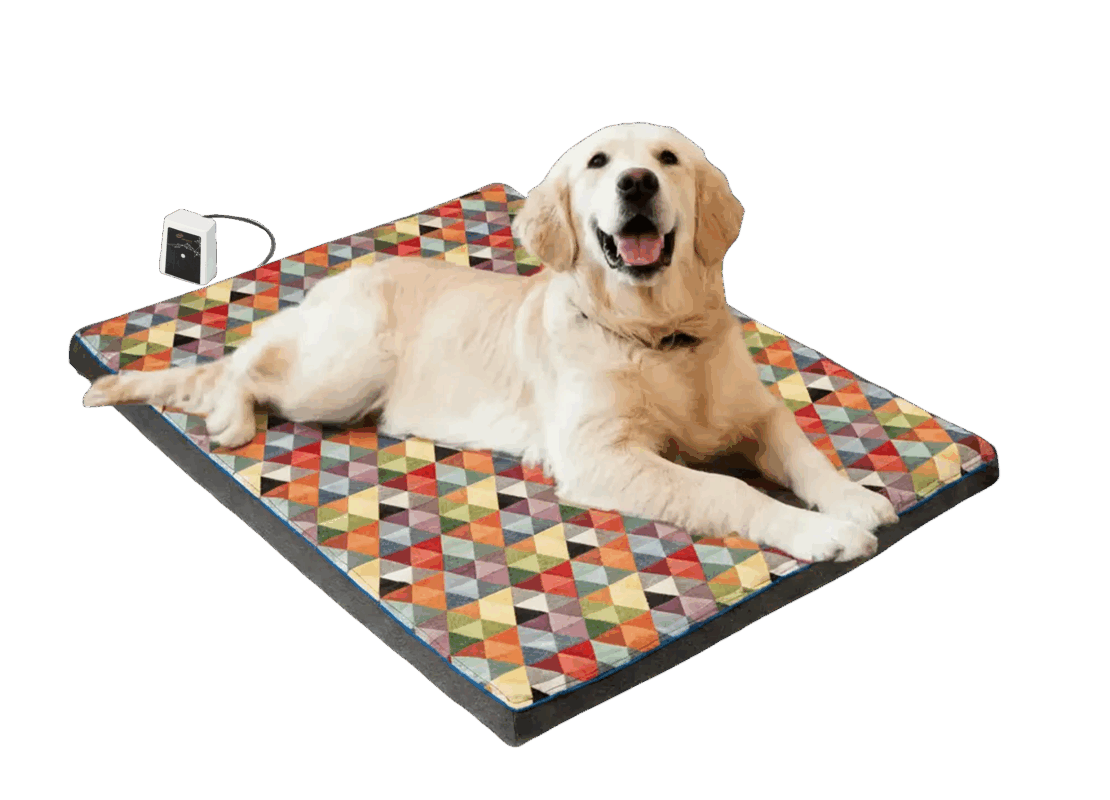
Place the rabbit on the PEMF pad as soon as possible!

Supervise, provide reassurance but give the patient "space"
Observe the rabbit body language
Consider natural supplements
Since both Matteo and Jing were shedding, I provided RodiCare Hairball, which includes natural remedies to alleviate the discomfort of digestive problems. This supplement feed contains fennel, chamomile and peppermint soothe and relax the bowels
RodiCare akut is another natural product that can be beneficial in these situations as it can help stimulate appetite and intestinal activity.
Encourage movement
Once the rabbit shows signs of increased curiosity and alertness through body language, we place him in the bunny park or an enclosure to promote movement. Combining movement with PEMF pain relief is an effective and natural way to stimulate the digestive system.
Ensure you place a bowl of fresh vegetables in the living area along with the patient's favorite aromatic herbs to enhance appetite.
Go back to step 1
If the bunny continues to show no interest in food and displays signs of pain in its posture and facial expressions, return to step 1.
Give the rabbit some space and let go
If the following results are not visible within a couple of hours, we will contact the veterinary hospital for an emergency visit.
How does PEMF work?
The Pain Relief program is specifically calibrated to help reduce inflammation and alleviate pain. By delivering targeted electromagnetic pulses, this program helps to block pain signals, stimulate the release of natural pain-relieving endorphins, and promote blood flow to affected areas. This not only eases your pet’s discomfort but also supports the healing process by reducing inflammation and swelling.
PEMF pads available directly from manufacturer


Comments